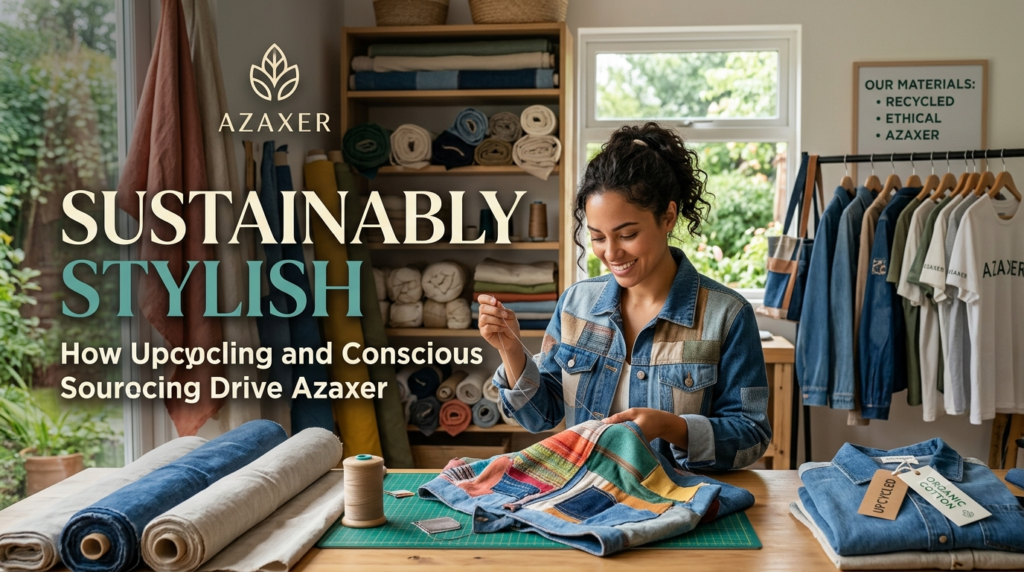
Azaxer is positioning itself as more than another denim accessory label: it is building a design identity around the idea that style, practicality, and environmental responsibility can coexist. By centering its offering on denim bags—durable, versatile products made for everyday use—the brand gives familiar fashion material a longer, more meaningful life.
The fashion industry faces a clear sustainability challenge. Fast production cycles, low-cost materials, and disposable consumption habits create waste at every stage, from unused fabric to garments discarded before their useful life ends. For a young brand, sustainability cannot simply be a marketing word; it must shape what is made, how materials are chosen, and how customers are encouraged to use products over time.
A brand built on reinvention
Azaxer’s own founding story reinforces this philosophy. Founder and CEO Rupesh Kumar first entered the fashion industry in 2022, but the early journey was interrupted by trademark obstacles and limited guidance. After a pause, the trademark was registered and the brand returned in 2024 with a sharper focus: luxury yet affordable denim bags designed for modern lifestyles and long-lasting value.
That reinvention is important because it reflects a broader principle of conscious design: rather than continuously chasing newness, a responsible brand asks how it can create better, more durable products. Azaxer describes its comeback as “smarter” and “stronger,” with a clearer purpose—language that aligns naturally with a design approach based on longevity rather than rapid trend turnover.
Why denim is a strong sustainability canvas
Denim is one of fashion’s most recognizable materials, but it is also resource-intensive when produced irresponsibly. Cotton cultivation, dyeing, finishing, and garment manufacturing can require substantial water, energy, and chemical inputs. This makes the reuse and upcycling of denim particularly valuable: every pair of jeans or metre of denim fabric diverted from waste reduces the need for new raw material production.
Azaxer’s focus on denim bags makes sense in this context. Bags are ideal upcycled products because they can retain the character of original denim—fading, stitching, seams, rivets, and texture—while being reconstructed into something functional. A worn pair of jeans may no longer suit a wardrobe, but its sturdy fabric can become a tote, crossbody, or everyday handbag with a new purpose.
This approach also changes how customers see “used” material. Instead of treating pre-owned denim as inferior, upcycling highlights its history. Faded indigo, subtle wear marks, and original stitching become design features rather than flaws.
Upcycling as creative design
Upcycling is not merely recycling. Recycling often breaks materials down into raw components, while upcycling transforms an existing item into a product of equal or greater value. In fashion, this means preserving fabric integrity wherever possible and designing around the material rather than forcing it into a conventional production model.
For Azaxer, this can translate into several practical design benefits:
- Material efficiency: Existing denim becomes the primary fabric source, reducing dependence on newly manufactured textiles.
- Distinctive aesthetics: Each bag can carry unique denim characteristics, making products feel individual rather than mass-produced.
- Durability: Denim is traditionally strong, which supports bags intended for daily use and long-term ownership.
- Lower-waste production: Cutting patterns can be planned to use panels, legs, pockets, waistbands, and offcuts creatively.
- Emotional value: A bag made from familiar denim can feel more personal than a generic factory-made accessory.
The appeal is especially relevant to consumers who want accessories that feel considered. Azaxer’s positioning around “luxury yet affordable” denim bags suggests that sustainable fashion does not need to be either inaccessible or overly austere.
Conscious sourcing beyond fabric
Conscious sourcing is wider than choosing recycled material. It includes evaluating where materials come from, who handles them, how they are transported, and whether production decisions support fair and responsible practices.
For a denim-bag brand, conscious sourcing can involve:
- Collecting pre-owned jeans, deadstock denim, or factory remnants before they enter landfill.
- Working with local tailors, artisans, and small workshops where feasible.
- Selecting durable hardware, threads, and linings that extend product life.
- Minimizing packaging or using recycled and recyclable packaging materials.
- Designing styles that remain useful across seasons rather than depending on short-lived trends.
- Being transparent about what is upcycled, what is newly sourced, and where improvements are still needed.
Azaxer’s product direction—practical denim bags for everyday modern life—fits this framework because the product itself is designed around repeated use. A bag that remains stylish, functional, and durable for years delivers more value per purchase than an accessory intended for a single season.
Style does not require compromise
One misconception about sustainable fashion is that it must look plainly “eco” or sacrifice design appeal. Azaxer’s identity, expressed through its tagline “Where Style Meets Luxury,” challenges that assumption. The brand’s opportunity lies in proving that an upcycled denim bag can be fashionable, refined, and relevant to contemporary wardrobes.
Denim naturally supports this. Its neutral blue tones pair easily with casual and semi-formal outfits, while washes ranging from deep indigo to faded grey allow varied design expressions. Structured silhouettes can feel polished; slouchy totes can feel relaxed; crossbody designs can serve commuters, students, travellers, and everyday users.
A sustainable product becomes genuinely desirable when customers choose it because they love it—not only because it is responsible. That is why the future of brands like Azaxer depends on pairing environmental intent with strong craftsmanship, useful features, and a clear visual language.
Extending product life
Conscious sourcing begins before purchase, but sustainability continues after it. Brands can encourage longevity by designing bags that are repairable, easy to clean, and adaptable to changing needs.
Practical steps include:
- Reinforcing stress points such as handles, straps, and seams.
- Offering repair guidance or replacement hardware where possible.
- Using classic shapes that do not quickly feel dated.
- Encouraging customers to resell, donate, or return unwanted bags.
- Designing packaging and care information that helps products last longer.
These measures support a circular mindset: products should not simply be bought and discarded, but maintained, reused, and eventually reimagined.
Transparency builds trust
As sustainability becomes a common claim in fashion, customers increasingly expect evidence rather than slogans. Brands should communicate clearly about their materials, suppliers, production practices, and limitations.
For Azaxer, transparency could include explaining how denim is collected, whether bags use post-consumer jeans, deadstock fabric, or surplus material, and what percentage of each product is upcycled. It could also include sharing care instructions, production locations, and plans for reducing waste in packaging and logistics.
This kind of openness does not weaken a brand; it strengthens it. Customers are more likely to trust a company that acknowledges progress in process than one that implies perfection without proof.
A model for modern Indian fashion
India has a rich tradition of resourcefulness—from repairing clothing and reusing fabric to transforming old textiles into new household goods. Azaxer’s denim-bag focus can connect with that heritage while speaking to a younger, globally aware consumer base.
The brand’s journey from an initial launch in 2022 to a renewed, trademark-registered relaunch in 2024 also reflects the realities of building a purpose-led business. Progress in sustainable fashion often comes through iteration: testing products, learning from customers, refining sourcing, and improving production over time.
The road ahead
Azaxer’s strength lies in combining a focused product category—denim bags—with a narrative of reinvention, practicality, and longevity. Its challenge will be to make sustainability measurable and visible: through sourcing choices, production transparency, durable construction, and honest communication.
If it continues to treat denim not as disposable trend material but as a resource with untapped potential, Azaxer can demonstrate that conscious fashion can be stylish, accessible, and commercially viable. In doing so, it offers a simple but powerful idea: the most sustainable product is often the one that gives existing materials a beautiful second life.